Flooded basements represent more than just a nuisance; they're a critical issue that demands swift, expert attention. Water damage not only compromises structural integrity but also fosters mold growth, poses health risks, and can lead to significant property losses. Effective flood cleanup is essential to mitigating these problems. The process requires specialized knowledge and equipment to thoroughly extract water, dry out affected areas, and prevent long-term damage. This article examines into the key aspects of basement restoration services, offering practical insights and highlighting the importance of engaging reliable professionals in the aftermath of a flood.
- Assessing Flood Damage: What to Look For
- Safe and Effective Flood Cleanup Techniques
- Drying and Dehumidifying: Preventing Mold
- Restoring Your Basement: Step-by-Step Guide
Assessing Flood Damage: What to Look For

When assessing flood damage, experienced flood restoration pros don't just look at the water level. They meticulously inspect the property, understanding that every detail matters in effective flood cleanup. The scope of this assessment goes beyond visible water lines and includes examining the structural integrity of the building, the condition of electrical and plumbing systems, and the potential for mold growth. A 2020 study by the National Institute of Standards and Technology (NIST) found that even in areas with relatively low water levels, hidden damage from floods can cause structural issues and unsafe living conditions.
Commercial carpet cleaning post-flood is an important, yet often overlooked, aspect of the restoration process. Moisture left behind by the flooding can fuel the growth of mold and bacteria, which can cause severe health issues, especially for those with respiratory conditions. Property Restoration of the Capital Region, for example, prioritizes commercial carpet cleaning as part of its the cleanup services to ensure a safe and healthy environment for businesses. This involves specialized equipment and techniques to extract moisture and clean the carpeting thoroughly.
Beyond immediate visual assessments, storm damage restoration specialists employ advanced tools and technology. Water extraction companies use high-efficiency pumps and vacuum systems to remove standing water from basements and other affected areas. Drying technologies, such as air movers and dehumidifiers, are then employed to expedite the drying process, which is critical in preventing long-term damage. According to the Insurance Institute for Business & Home Safety (IBHS), quick action within the first 48 hours after a flood can significantly reduce the risk of secondary damage and mold growth.
As the assessment continues, experts also consider the potential for structural damage, particularly to basements and crawl spaces. Local building codes and guidelines play a vital role in determining the appropriate course of action, as they dictate safe renovation practices. The American Society of Home Inspectors (ASHI) recommends that homeowners document all damage with photos and contact their insurance providers promptly to initiate the cleanup process. This thorough approach ensures that every aspect of the property is addressed, from the most visible to the most subtle signs of water intrusion.
Safe and Effective Flood Cleanup Techniques
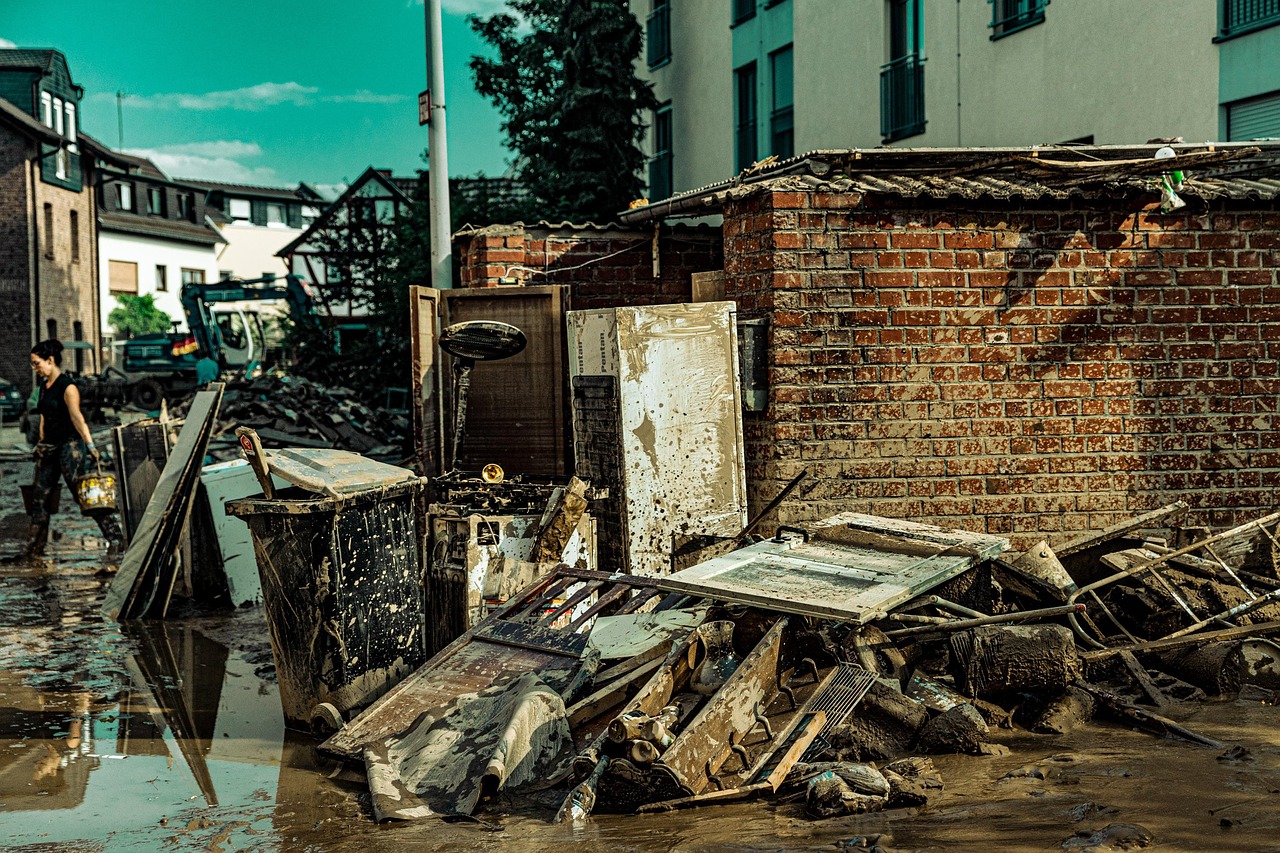
After a flood, the process of cleaning and restoring a basement can seem daunting. However, with the right techniques and professional assistance, it's a manageable task. Safe and effective the cleanup involves a multi-step process that goes beyond mere drying. The primary goal is to minimize water damage, prevent mold growth, and ensure the structural integrity of the building.
In the immediate aftermath of a flood, the first step is always to stop the water source. This could mean shutting off the main water supply or turning off electrical power to avoid potential hazards. Once the immediate crisis is under control, professional water extraction services come into play. Companies specializing in Aurora and Denver areas, like Property Restoration of the Capital Region, employ advanced equipment to remove standing water efficiently. This process is important because leaving water behind can lead to extensive damage and health risks. According to the Environmental Protection Agency (EPA), water damage can cause a variety of issues, including structural damage, mold growth, and the proliferation of bacteria and other pathogens.
After extraction, the focus shifts to drying and dehumiding. This step is just as critical as water removal, as it prevents the growth of mold and mildew. Professional restoration companies use specialized drying technologies and industry best practices to ensure that every nook and cranny is thoroughly dried. They might employ desiccant dehumidifiers that remove moisture from the air, or use heat and air movement to expedite the drying process. Once the area is dry, a thorough cleaning with non-toxic, mold-inhibiting cleaners ensures that any existing mold spores are eliminated. This is especially important in basements, where the constant presence of moisture can foster mold growth, leading to health issues for residents.
Throughout the disaster cleaning post-flood events, it's important to adhere to local building codes and seek expert advice. This includes understanding the proper disposal of contaminated materials and the potential need for specialized services like basement flood cleanout. In some cases, drywall and insulation may need to be replaced due to extensive water damage. Professional restoration services not only handle these tasks but also coordinate with local government agencies and insurance providers to ensure a smooth recovery process. By following these steps and enlisting the help of experienced professionals, homeowners can mitigate the impact of a flooded basement and restore their property to its pre-flood condition.
Drying and Dehumidifying: Preventing Mold
After a flood, the process of restoring your home or business is a delicate one, especially for drying and dehumidifying affected spaces. This critical step is essential to prevent the growth of mold, a common and costly aftereffect of flood damage. Mold not only poses health risks but can also cause structural damage and lower the property value. Therefore, it's important to understand the process and choose the right professionals for disaster recovery from floods.
The first step in remediating flood-affected properties is to remove standing water as quickly as possible. This is where water extraction companies come in, utilizing specialized equipment to pump out water from basements and other affected areas. Once the water is out, the real work begins: drying and dehumidifying the space. This process involves using advanced drying technologies, such as air movers and dehumidifiers, to reduce moisture levels. Simply drying the space isn't enough; the air needs to be continuously circulated to ensure even drying and prevent the formation of condensation, which can fuel mold growth.
According to a 2020 study by the Environmental Protection Agency (EPA), mold can grow within 24-48 hours of a flooding event, making timely action important. That's where experts like Property Restoration of the Capital Region come in. They employ industry best practices and local building codes to ensure a thorough and safe restoration. They may use specialized monitoring devices to track humidity levels, ensuring the space is not only dry but safe for occupants. They can provide advice on long-term mold prevention techniques, such as improving ventilation and addressing any underlying issues that may have contributed to the flooding. This complete approach ensures that the restored space is not only functional but also free from the potential health hazards associated with mold.
Restoring Your Basement: Step-by-Step Guide

When faced with a flooded basement after a storm or break in the pipes, the process of restoration can seem daunting. However, with the right steps and expert guidance, your basement can be returned to its dry, livable state. The key to effective the cleanup is rapid response and professional intervention. According to the National Weather Service, water damage is the most common cause of home insurance claims, making swift action critical to mitigating losses.
The first step in restoring your basement involves assessing the extent of the damage. This includes examining the water source, the level of saturation, and the presence of any contaminants. A commercial carpet cleaning service after a flood may be necessary if the water contained mud, chemicals, or sewage. Once the assessment is complete, a professional restoration company can implement the appropriate strategies. This might include advanced water extraction techniques, like those employed by Property Restoration of the Capital Region, to quickly remove standing water.
Drying out the space is the next important phase. Professional restoration services utilize specialized drying technologies, such as air movers and dehumidifiers, to speed up the process. Local building codes and industry best practices guide the selection and use of these tools to ensure safety and effectiveness. Proper drying is essential to prevent mold growth, a common issue in flooded homes. According to a 2020 study by the U.S. Environmental Protection Agency, mold can begin to form within 24-48 hours of flooding, emphasizing the need for quick action.
After the area is dry, the restoration process can begin to restore your basement to its pre-flood condition. This may involve rebuilding, repainting, or replacing affected items. Working with a reputable disaster cleaning service post-flood events ensures that the work is done efficiently and in compliance with local regulations. Regularly updating your flood prevention strategies, such as installing water alarms or updating your home's insurance policy, can also help mitigate future damage and speed up the recovery process.
Frequently Asked Questions About flooded basement restoration services
What happens immediately after a basement floods? Rapid response is important. The first step is to turn off the main power to prevent electrical hazards. Then, remove as much water as possible using buckets or pumps. Document the damage with photos, as insurance claims often require visual evidence. Professional restoration services should be contacted immediately to mitigate mold growth and structural damage.
How do I choose the right restoration company? Research local companies with proven experience in basement restoration. Look for certifications from recognized organizations like the Institute of Inspection, Cleaning and Restoration Certification (IICRC). Check online reviews and ask for references. Ensure they have the necessary equipment and expertise to handle your specific situation, whether it's water extraction, dehumidification, or structural repair.
What is the typical timeline for basement restoration? The duration depends on the extent of the damage. Initial water removal and drying can take 24-48 hours, but complete restoration may take up to a week or more. Mold remediation, structural repairs, and rebuilding can extend the process. Regular communication with your restoration contractor is essential to understand the progress.
How much does basement restoration cost? Costs vary based on the size of the basement, the extent of damage, and the required repairs. Water extraction and dehumidification are usually the initial, less expensive steps. Structural repairs, mold remediation, and rebuilding can significantly increase costs. A detailed estimate from a reputable contractor will provide a more accurate range.
Can I do basement restoration myself? While DIY projects can be satisfying, basement restoration is best left to professionals. The process involves hazardous materials like mold and toxic chemicals, and specialized equipment for water removal and dehumidification. Without proper training, you risk health issues and may not achieve the same level of thorough cleaning and restoration as a certified service.
What insurance covers basement flooding? Homeowner's insurance policies typically cover basement flooding, but the specifics vary. Check your policy for coverage limits and deductibles. Flooding from heavy rainfall or sewer backups is usually covered, but damage from ground water intrusion might require separate coverage. Always review your policy with your insurance agent to understand what's covered.
The cleanup and basement restoration are complex processes that demand a systematic approach. From assessing damage, employing safe and effective cleanup techniques, to drying and preventing mold growth, every step is critical. The article has detailed these processes, offering a practical guide for homeowners facing basement floods. Key takeaways include the importance of professional help, understanding local building codes, and prioritizing health and safety during the restoration process. By following industry best practices and local regulations, property owners can ensure their basements are restored to their pre-flood condition, minimizing long-term damage and ensuring a safer living environment. This knowledge is invaluable for anyone navigating the aftermath of a basement flood, underscoring the importance of informed decision-making in the cleanup.
After a flood, thorough assessment and professional intervention are important for effective the cleanup. This involves examining structural integrity, removing moisture, and preventing mold growth. Specialized equipment and techniques are employed for water extraction and drying, with a focus on quick action to minimize damage. Following local building codes and expert advice ensures safe renovation and long-term mold prevention. Regular flood prevention measures and insurance updates also speed recovery.